About Meignanam
Meignanam – meaning true wisdom – is envisioned as a space where seekers can engage with wisdom in its many forms, rooted in tradition yet open to modern inquiry. It is an initiative of the Ananda Chaitanya Foundation’s spiritual vision, created to bring inner freedom and ultimate well-being. This initiative places its primary focus on:
1. Yoga Darshan & Meditation – exploring the inner science of body, mind, and spirit
2. Saiva Siddhanta – the profound Tamil spiritual heritage of realization and liberation
3. Tantra & Saktha Traditions – understanding the sacred feminine, energy, and transformation
4. Philosophy – timeless reflections from Indian and world thinkers
5. Upanishads – the crown of Vedic wisdom, guiding the quest for Self-realization
6. Modern Psychology & Sciences – insights into mind, behavior, and consciousness through contemporary lenses
Our Purpose
The heart of Meignanam is to keep the flame of spiritual intellect alive — not to enforce belief, but to encourage reflection, clarity, and inner growth. This platform exists to:
Our Spirit
Meignanam is not centered on a single personality or movement. It is not a cult or closed circle. Instead, it is an open forum for shared wisdom — where contributions from different authors, practitioners, and traditions are welcomed and valued.
An Invitation
This is a living source of wisdom, growing with every reflection and dialogue. Whether you are a student, a practitioner, or a curious reader, we invite you to engage with an open heart and mind.
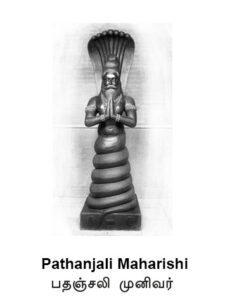
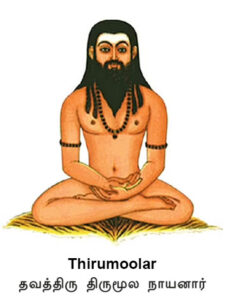
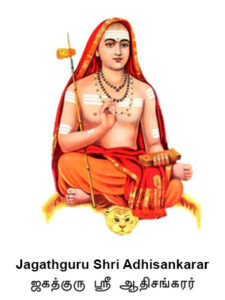
Great Masters of Spiritual Inspiration
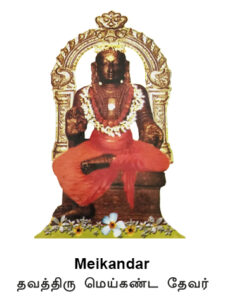
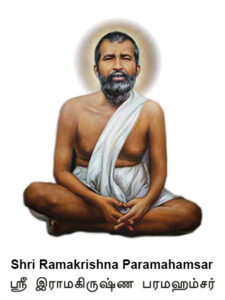
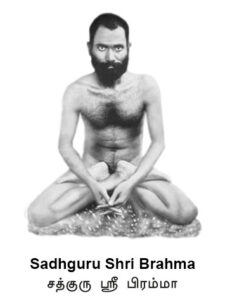
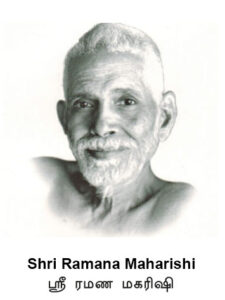
About Founder
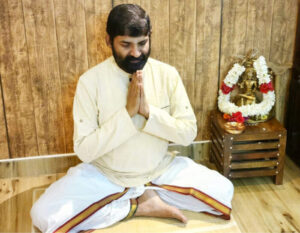
Thillai Senthil Prabu – Founder, Ananda Chaitanya Foundation
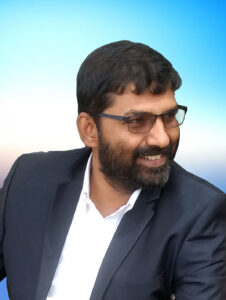
Thillai Senthil Prabu is a rare confluence of technological excellence, spiritual depth, and human insight. With over 30 years of dedicated sadhana and 25 years of teaching yoga and meditation, he bridges the timeless wisdom of the ancient world with the dynamic needs of modern life.
His spiritual journey began at the age of 9, when he was initiated into yogic practices by a monk from the Ramakrishna Mission. This early spark matured over decades into a lifelong pursuit of inner transformation. After completing his Electronics & Communication Engineering, he embarked on an engineering career in 1989, contributing significantly in the fields of defense, aviation, and power electronics. In 2000, moved by a deep inner calling, he stepped away from the corporate world to serve as a full-time spiritual teacher and volunteer for over 13 years, offering yoga and meditation programs across Tamil Nadu, Singapore, and Malaysia.
Since 2013, he has resumed engineering leadership roles while continuing his spiritual teaching and sadhana. Today, he actively balances both worlds—leading high-precision engineering initiatives and guiding seekers toward inner clarity and freedom.
He is formally trained in Saiva Siddhanta, holding the Siddhanta Pulavar certification from Coimbatore Manivasagar Mandram under Pulavar Chenniyappanar, and remains a lifelong student of the tradition. He draws deep inspiration from classical masters such as Patanjali, Thirumoolar, Meikandar, Ramakrishna Paramahamsa, Vivekananda, and Ramana Maharshi.
His studies extend to Srividya Upasana, Saiva Tantra, Samkhya-Yoga Darshana, and Nada Yoga, which he actively uses in his individual and group meditation sessions. Out of personal interest in holistic understanding, he has also explored Jyotisha (Vedic astrology) and Pranic Healing.
He considers modern thinkers such as Maharishi Mahesh Yogi, Osho, J. Krishnamurti, and Carl Jung as powerful influences—enriching his ability to connect ancient insight with modern psychology and the evolving human mind. His programs reflect this synthesis, offering ancient wisdom designed for the modern seeker.
Thillai Senthil Prabu is also a part of the Unified Wisdom Movement initiated by renowned writer Jeyamohan, whom he regards as one of his teachers. As part of this initiative, he regularly conducts meditation programs at Vellimalai, facilitating experiential spiritual learning rooted in India’s inner sciences.
In 2020, he founded the Ananda Chaitanya Foundation (ACF) to bring together the inner path of meditation and the outer path of purposeful action. Through ACF, he offers programs that foster both external capability and inner realization, empowering individuals to live with awareness, effectiveness, and joy.
“Renunciation is not about withdrawal from the world — it is the ability to act with inner freedom. True liberation is found in selfless action guided by meditative clarity.”
Our Inspiring Teachers
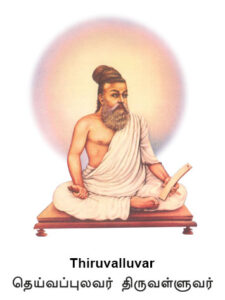
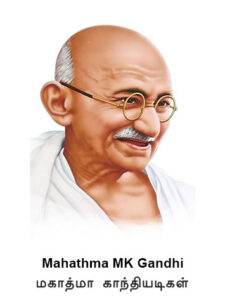
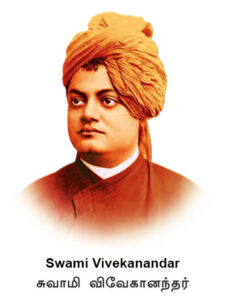
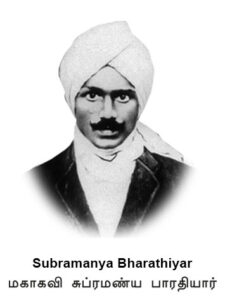
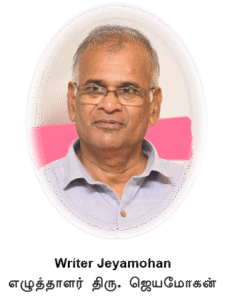
Guru Lineage & Inspirations - A Personal account
Purpose of this Section
This section sits alongside the About section of Meignanam to provide transparent context for my practice and teaching. Meignanam is a collective, non‑sectarian initiative of the Ananda Chaitanya Foundation that seeks inner freedom and ultimate well‑being through wisdom. What follows is not an attempt to elevate a single personality, but to acknowledge the lineages and influences that shaped my sadhana.
Early Initiation
At the age of nine, I received mantra upadesam from a monk of the Ramakrishna Order. From that seed grew a life of practice inspired by Sri Ramakrishna Paramahamsa’s living bhakti, Swami Vivekananda’s fearless Vedanta, and Sri Ramana Maharshi’s silent depth of Self‑enquiry.
Yoga Darshana & Meditation
Yoga became, for me, a living science rather than a set of techniques. The Yoga Sutras of Patanjali offered a precise map of inner work, and formal study at Kaivalyadhama (Samkhya–Yoga Darshana) helped me ground meditative experience in a rigorous framework. Practice—rather than debate—remains the center of this path.
Saiva Siddhanta — Philosophical Home
Among the streams that nourished me, Saiva Siddhanta emerged as my philosophical home—an integrated path uniting bhakti, jnana, and Yoga. My journey into Saiva Siddhānta began with an inner awakening rather than an academic pursuit.
At the age of eleven, while reading Thirumoolar’s Thirumanthiram, a spark was kindled within me—a deep intuitive sense that yoga, wisdom and devotion are not separate paths but different movements of the same inner force. That early inspiration quietly guided my sādhanā through the years.
Many years later, during one of my yoga programs, I visited Siddhar Kaadu, the sacred grove where Citrambala Nādigal, a revered guru of the Meikandar Santhanam lineage, attained samadhi along with his sixty-three disciples. The stillness of that place carried the living presence of realization. Standing there, I felt as if the unseen grace of the Siddhars called me home to the philosophy of Saiva Siddhānta. That experience became a turning point, urging me to explore its depths for many years to come.
In time, this exploration took a structured form through the guidance of Thiruvavaduthurai Ādheenam, Manivasagar Mandram, Ilangai Jeyaraj, and several traditional scholars within the Kailaya Paramparai Meikandar Sampradaya. Through the profound works of the Santhaana Kuravars—Meikandar, Arunandi Sivan, Maraignana Sambandhar, and Umapathi Sivan—and the insights from older commentaries, I discovered a path where bhakti (devotion), jñāna (wisdom), yoga (inner discipline), and karma yoga (selfless action) harmoniously converge.
Today, I continue my studies through the Thiruvavaduthurai Ādheenam and the rich commentarial heritage of Saiva Siddhānta. This path, to me, is not a theology to be believed but a living experience to be embodied—uniting love, knowledge, service, and meditation into one luminous journey toward Śiva.
Tantra — Srividya Bhuvaneshwari Upasana
In the Saktha tradition, I received training in Srividya Bhuvaneshwari Upasana from Sri Amritananda Natha Saraswati (Devipuram). I also draw blessings and inspiration from Guru Karunamayi, a disciple of Sri Amritananda, who carries forward this stream of Saktha Upasana. This brought the sacred dimension of mantra, yantra, and the living presence of Shakti—understood not as ritual alone, but as the union of energy and consciousness.
Advaita Vedanta — Revered Stream (Not Claimed as Diksha Lineage)
I hold deep reverence for the Advaita tradition of Adi Shankaracharya and its commentarial brilliance. While I do not claim formal diksha in this sampradaya, its insights profoundly inform my understanding. Modern exponents such as Brahmananda Saraswati, Maharishi Mahesh Yogi, Sri Ramakrishna Paramahamsa, Swami Vivekananda, and Sri Ramana Maharshi have been luminous inspirations. I also acknowledge the Vedanta tradition of Sri Narayana Guru, his disciple Nataraja Guru, and Swami Nithya Chaitanya Yati as powerful inspirations for clarity and social reform rooted in Vedantic insight.
Contemporary Thinkers & Guides
Beyond classical traditions, I have learned from contemporary voices—Werner Erhard, Eckhart Tolle, Carl Jung, Sadhguru Jaggi Vasudev, Osho, and Jiddu Krishnamurti—each illuminating facets of mind, conduct, and inner freedom. Their expressions differ; the essence they point to remains universal.
Other Explorations (Supportive, Not Lineage)
Out of curiosity about human potential, I explored pranic healing and jyotisha as studies that broaden perspective rather than define a path. I also work with Nada Yoga and specially crafted singing bowls as supportive tools to help individuals awaken their own capacity for balance—never as claims of external ‘healing’ or status.
Inner Guru & Pilgrimage
The most decisive teacher has been the inner guru, awakened and affirmed through pilgrimage: multiple yatras to Mount Kailash, journeys in the Himalayas, teerthayatras to ancient temples, and time in the samadhi sthalas of great saints. In those silences, scripture turned to certainty.
Gratitude
I bow to the teachers, traditions, and sacred places that have touched my life. Whatever depth of meditation or clarity I have received is by grace. It stands as a reminder that the ultimate guru is the Self, revealed in stillness.
Editorial Note on Lineage & Accuracy
To avoid confusion, I distinguish between (1) formal initiations/training (diksha/upadesam/studies named above) and (2) influences that shaped my understanding. This page records my honest journey; it does not assert rank, authority, or exclusive truth. Meignanam remains a collective platform where many voices are welcome.